Stop Hiding in Your Wardrobe: The Radical Self-Love of Choosing to Be Seen
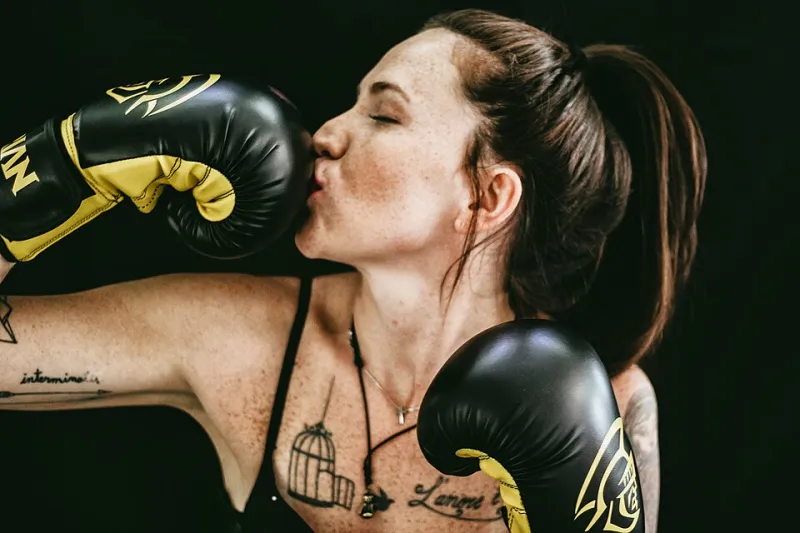
Photo: Matheus Ferrero matheusferrero, CC0, via Wikimedia Commons
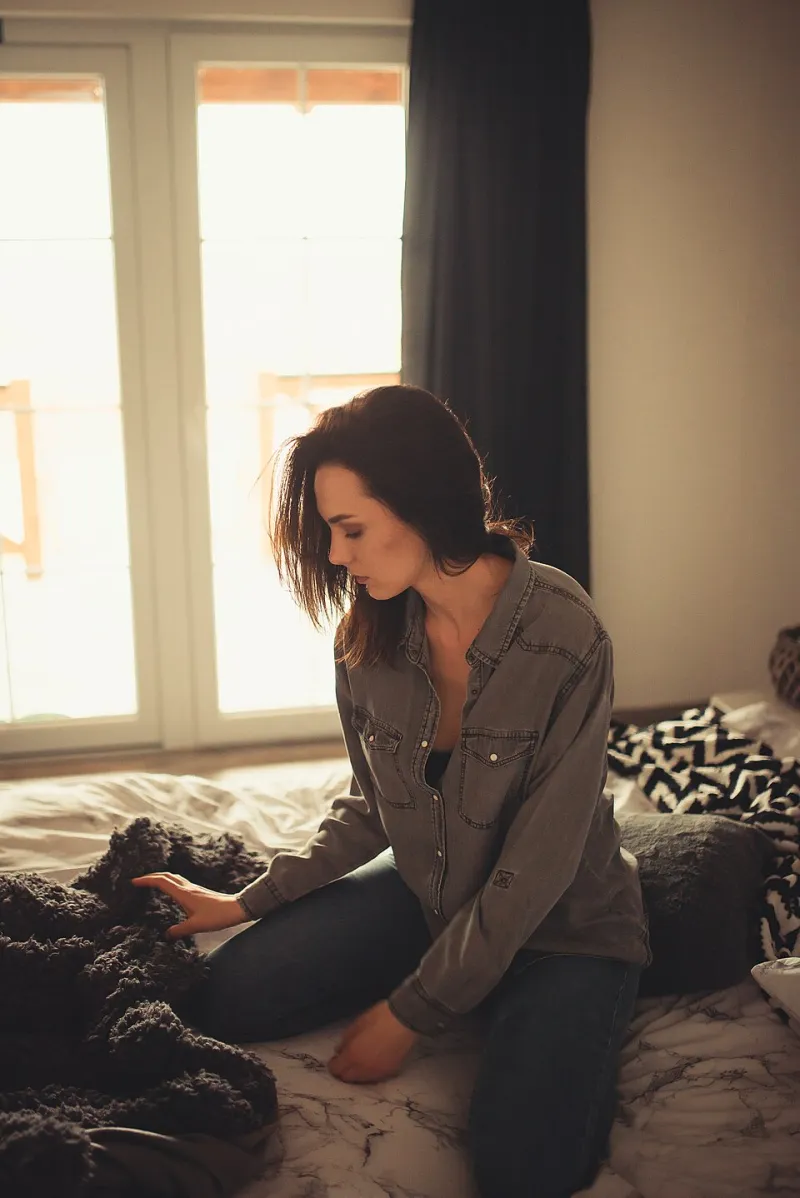
There's a particular kind of morning most of us know too well. The alarm goes off, you catch your reflection before you're ready for it, and something in your chest folds inward. On those mornings, the closet becomes a negotiation. You're not dressing yourself — you're managing yourself. You're choosing camouflage.
The beige blouse. The washed-out navy. The oversized cardigan that swallows your shape. Anything that says don't look at me without you having to say a word.
It makes sense. When anxiety or self-doubt is running the show, visibility feels like a liability. Color feels like an invitation for scrutiny. And the last thing you want when you feel small on the inside is to take up more space on the outside.
But here's what nobody tells you: the days you most want to disappear are exactly the days you should think about reaching for something that glows.
Why We Dress Small When We Feel Small
Psychologists have a name for it — enclothed cognition — which is the fancy way of saying your clothes don't just reflect how you feel, they actively shape it. When we dress down, we often reinforce the very feelings we're trying to protect ourselves from. We tell ourselves a story through fabric and color, and then we live inside that story all day.
Neutral tones aren't inherently bad, of course. There's real beauty in a muted palette. But when you're consistently reaching for the invisible outfit because you don't feel worthy of being noticed, that's not aesthetic minimalism — that's emotional shrinking. And it's worth paying attention to.
A lot of women in the US have talked about this exact pattern: the way a difficult season of life — a breakup, a job loss, a period of depression — quietly migrated from their inner world into their closet. One reader, Melissa from Portland, described it this way: "I looked back at photos from that year and realized I was wearing almost exclusively gray and black. I thought I was being chic. But honestly? I was hiding. I didn't feel like I deserved to be looked at."
That's the thing about dressing small. It rarely announces itself as fear. It just looks like a preference.
Color as a Declaration
Wearing color when you want to disappear isn't about performing happiness you don't feel. It's not toxic positivity dressed up in a floral print. It's something more honest and more radical than that.
It's a declaration that you exist even when you feel like you shouldn't.
When you put on the cobalt dress or the rust-orange blazer on a hard day, you're not pretending everything is fine. You're saying: I'm still here. I still matter. I'm not going to make myself invisible just because I feel fragile right now.
That's an act of self-love in the truest sense — not the bubble-bath-and-face-mask kind, but the kind that costs something. The kind that requires you to walk out the door and be seen before you feel ready.
Another reader, Danielle from Atlanta, described her turning point: "I had a job interview on a day I felt completely defeated. I almost wore my usual interview black. But I grabbed this deep emerald green blazer at the last second — I'd bought it months before and never worn it. I got the job, but more than that, I felt like myself for the first time in months. The color reminded me who I was."
How to Start When the Thought of Color Feels Like Too Much
You don't have to overhaul your wardrobe or show up to brunch in a floor-length fuchsia gown. The entry point into color is wherever you can tolerate it right now — and that's enough.
Start with one piece. A terracotta lip. A pair of earrings in a warm amber tone. A scarf in dusty rose layered over an otherwise quiet outfit. You're not going all in — you're just leaving one small light on.
Let the color do the emotional heavy lifting. On days when you can't find words for how you want to feel, color can speak for you. Reach for warm yellows when you need optimism. Deep burgundy when you want to feel grounded and a little powerful. Soft lavender when you need gentleness. Think of your palette as a private vocabulary.
Notice the difference in how people respond — and how you respond to yourself. This isn't about seeking external validation, but there is something real that happens when you wear color. People make eye contact. They smile. They engage. And that interaction, small as it is, can start to chip away at the story that you're not worth noticing.
Give yourself permission to feel awkward at first. If you've been dressing in neutrals for years, wearing something bright will feel strange. Your brain will flag it as too much, as showing off, as inappropriate. That discomfort is just the gap between who you've been telling yourself you are and who you actually are. It closes with repetition.
The Closet as a Love Letter You Write to Yourself Every Morning
Every choice you make when you get dressed is a small act of self-authorship. You are deciding, in a hundred tiny ways, what story you're living in that day. And while clothes alone can't fix the hard things — the grief, the anxiety, the seasons when everything feels like too much — they can be one of the gentlest, most accessible ways to practice showing up for yourself.
Choosing color on a hard day says: I am worth the attention. I am allowed to take up space. I am not going to make myself smaller just because I feel uncertain.
That's not vanity. That's not shallowness. That's love — for yourself, in a language your body can feel before your mind catches up.
So the next time you find yourself reaching for the safe, the muted, the invisible — pause. Not to judge the impulse, but to ask it a question: Am I choosing this because I love it, or because I'm trying to disappear?
And if it's the latter, maybe today is the day you wear the color anyway.
Not because you're ready. But because you're worth being seen even when you're not.